


Mental Health & Well-Being: How One Leader Reclaimed Her Life and Found Joy at Work
By Atip Muangsuwan

“My job is to help leaders find their own secret drawer of solutions—to move from feeling stuck and overwhelmed to feeling clear, confident, and capable of designing a life and career they truly love.”
Atip Muangsuwan
CEO Coach and Coach Supervisor
It’s a familiar story, one I hear in boardrooms from Singapore to Silicon Valley. It’s the story of the successful executive who feels… hollow.
You’ve climbed the ladder. You’re leading global teams, hitting targets, and doing your best work. Yet a quiet, persistent question hums beneath the surface: Is this it?
This was the exact question plaguing a leader I’ll call Sharon, a brilliant executive at a global engineering firm. On paper, she was a powerhouse. Internally, she was running on fumes. The endless corporate reorganizations had transformed her once-family-like workplace into a collection of silos, where everyone was focused solely on their own goals.
“It’s like everyone is more self-centered,” she told me, her voice tight with frustration. “I’m doing my best work, but I’m not happy.”
Worse, the stress was bleeding into her sanctuary. Her weekends were haunted by the ghost of the office. She couldn’t stop thinking about work, her mind a frantic loop of unfinished tasks and simmering anxieties. She was a classic case of a leader achieving professional success at the devastating cost of personal well-being.
Sharon had one goal for our session: to find a way to have a happy workplace, a better work-life balance, and a sense of well-being amidst the chaos.
The Unlikely Path to a Happy Workplace
When we started, I asked Sharon a simple question: “When was the last time you felt genuinely happy at work?”
After a moment, her face changed. The tension softened. She started talking about the CSR committee she was part of, the excitement of planning the annual company outing, and the simple joy of organizing the Christmas party. She lit up as she described buying snacks to share with her colleagues and the small, connective moments during coffee breaks.
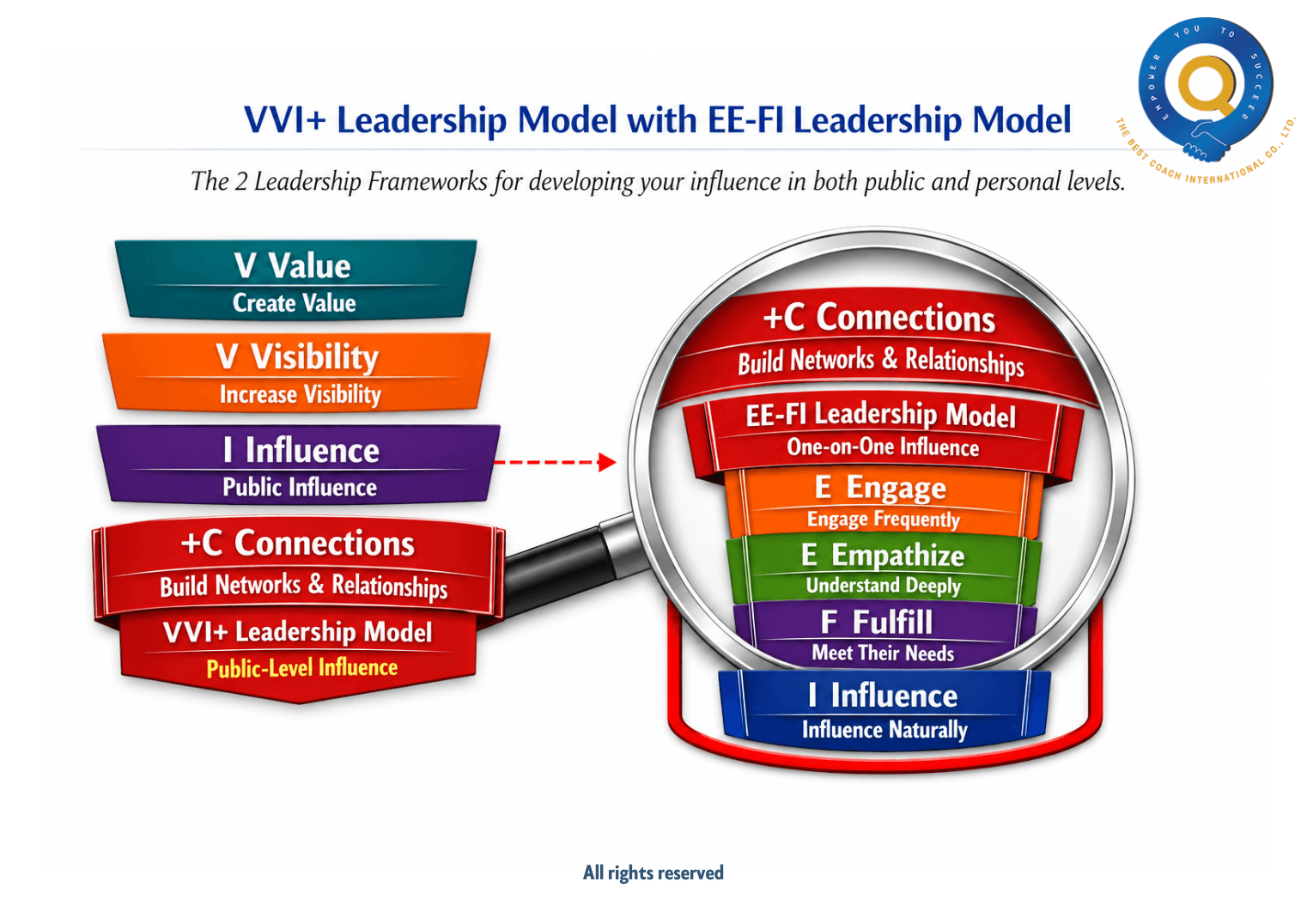
In that moment, the diagnosis was clear. Sharon was inadvertently healing her own pain. She was already practicing the #1 secret to a happy workplace, a principle that countless leadership development programs often miss: A happy workplace isn’t built on strategy or structure; it’s built on good relationships.
The activities she loved were all vehicles for human connection. This was her superpower. As an executive coach, I often see leaders overlooking the very behaviors that bring them joy in pursuit of more abstract “strategic” goals. My role was to hold up a mirror, showing her that the solution she sought was already within her. She just needed to apply it intentionally.
My advice to her was to be a role model of connection. She didn’t need to change the entire company structure. She just needed to be the change she wanted to see, starting with her own inner circle. She could champion a culture of greetings, smiling, and offering help. By making this positive energy contagious, she could rebuild the “one team” feeling she so desperately missed.
The Napoleon Bonaparte Technique for Work-Life Balance
But building a happy workplace wouldn’t solve the problem of weekend anxiety. For that, we turned to a surprising historical figure: Napoleon Bonaparte.
Napoleon, a man with a mind consumed by war, politics, and empire, was famously able to compartmentalize his thoughts. He visualized his mind as a large cabinet with separate drawers. When it was time to sleep or focus on his personal life, he would mentally close all his “work” drawers and open only the ones for the present moment.
He had three simple rules:
- Open only one drawer at a time. When working, focus only on the task at hand.
- Close the drawer before opening another. When switching from a work project to a home task, consciously make the mental shift.
- Close all drawers to rest. When you leave the office, visualize yourself closing all your work-related drawers, allowing your mind to fully switch off.
This isn’t just a historical anecdote; it’s a powerful mental model for modern leaders. It’s a practice in self-awareness, the crucial ingredient for true work-life balance. Sharon learned to use this technique to stop her work from stealing her life. She could give her all to her career during the day, and then, by closing her mental drawers, be fully present at home in the evening.
From Burnout to Clarity
The transformation in Sharon was palpable. By the end of our session, she felt she had a clear path forward. She realized she didn’t need a new job; she needed a new approach. She learned that she needed to become self-aware and leverage her natural talent for relationship-building to create the happy environment she craved.
Her one-sentence summary was profound: “Good human connections and relationships are the key to a happy workplace, and using a drawer technique can help me organize my mind.”
Her one-word summary? Relationship.
When I asked her how she felt, her answer was a single, powerful word: Clarity.
Sharon’s journey is a testament to the idea that we often have the answers inside us. Sometimes, all it takes is a coach to ask the right questions to unlock them. As a global executive and leadership coach, I don’t have a magic wand. My job is to help leaders find their own secret drawer of solutions—to move from feeling stuck and overwhelmed to feeling clear, confident, and capable of designing a life and career they truly love.
If you’re a leader who is outwardly successful but inwardly feeling the strain of the modern workplace, know this: you don’t have to choose between a thriving career and a happy life.
Sharon found a way, and you can too. The most important strategy isn’t in a boardroom deck; it’s in the wisdom you already hold inside. Sometimes, you just need the space to discover it. When you want the space to discover it, let’s connect with me.
About Atip Muangsuwan: Atip is an executive leadership coach who specializes in helping high-achieving leaders overcome internal barriers to unlock their full potential and drive organizational success. Through a blend of strategic frameworks and profound personal insights, he empowers leaders in transforming their mindsets, emotional states, and behaviors for lasting impact.
SHARE :
Facebook
LinkedIn
Twitter
RECOMMENDED ARTICLES :