


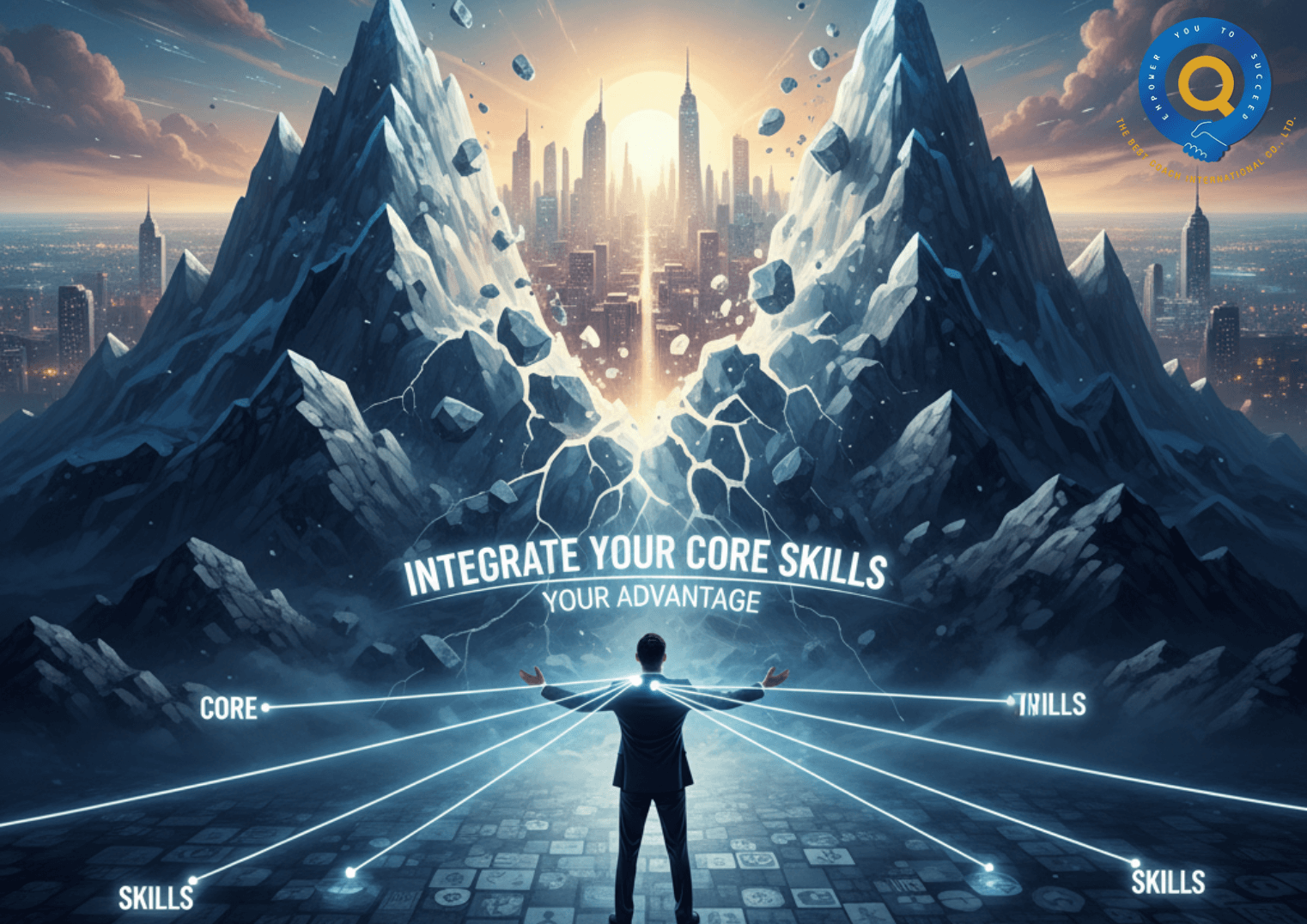
The Engineer’s Dilemma: How One Executive Learned to Win Hearts, Not Just Contracts
By Atip Muangsuwan
“When you can’t win on price, you must win on quality—and that quality extends far beyond the product and service into the very nature of your relationship with your customers.”
Atip Muangsuwan
CEO Coach and Coach Supervisor
Charlie was a brilliant engineer. He could look at a complex schematic and see the invisible forces at play—the stress points, the load-bearing beams, the elegant solution hidden within the chaos. His mind was a fortress of logic, and it had propelled him to the upper echelons of a global engineering powerhouse.
But there was one equation Charlie couldn’t solve: the human one.
As an executive, his world was no longer just about bridges and systems; it was about people. Specifically, customers. He had the technical prowess to deliver a flawless product, but he felt a frustrating gap in his ability to create something more elusive: genuine, lasting customer loyalty.
He came to our coaching session with a clear goal: to learn how to interact with customers in a way that builds deep trust and customer loyalty, not just satisfaction. He was already doing some of the right things—he had empathy, he sought to understand, he possessed a win-win mindset. But like so many brilliant technicians, these skills were buried deep, operating on a subconscious level. They were instincts, not a strategy.
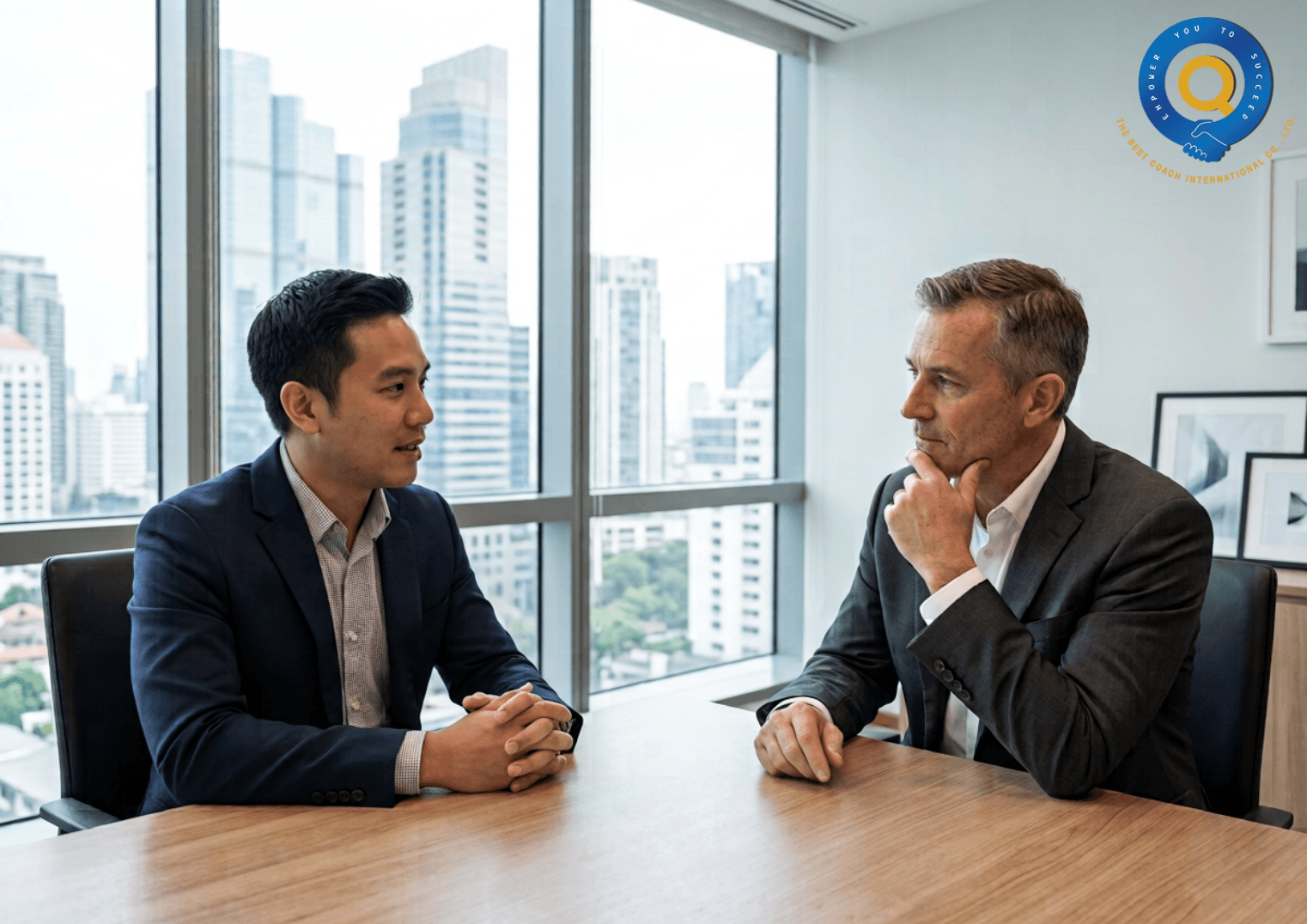
Our conversation was about surfacing those instincts and turning them into a deliberate, powerful system.
I told Charlie that the first step isn’t a technique; it’s a mindset. It’s about moving beyond a transactional relationship to a truly Customer-Centric Mindset. This means you don’t just understand a customer’s stated needs; you understand their unstated pain points. You don’t just fulfill an order; you solve a problem that keeps them up at night.
But how do you build that bridge of trust? We explored two frameworks I’ve developed to turn this mindset into action.
First, we looked at the EE-FI Leadership Model, a blueprint for building rapid and long-term trust. It’s a simple, yet powerful sequence:
- Engage: You connect on a human level first. A simple, “How was your weekend?” before diving into business. The key is to engage with your customers regularly and frequently.
- Empathize: You go deeper. You seek to understand their psychological needs—the need for security, for recognition, for control, etc. The key is to understand your customers deeply.
- Fulfill: You act. You fulfill those needs. Remember their name. Say their name often. Acknowledge their expertise. Make them feel like the most important person in the room. The key is to fulfill their needs successfully.
- Influence: Here is the magic. When you engage, empathize, and fulfill, you don’t have to try to influence. It happens naturally and automatically. You don’t force trust; you earn it.
To make this happen, you need a tool for empathy or understanding. That’s where the LAR-SE Effective Communication Framework comes in. It’s how you listen with the intent to understand, not just to reply.
- L – Listen: Actively and deeply listen. Put down your phone, silence your inner monologue, and truly hear what they are saying—and what they aren’t. The key is you listen to understand.
- A – Ask: Ask thoughtful and powerful open-ended questions. Don’t just ask about the project; ask about the challenges the project is meant to solve. The key is you ask to understand.
- R – Reflect: Reflect back what you’ve heard to clarify and check your understanding. “So, what I’m hearing is that your biggest fear isn’t the software itself, but the risk of disrupting your team’s workflow. Is that right?” The key is you reflect to understand.
- S – Share: Only now do you share. And it’s not a pitch; it’s a contribution to the dialogue you’ve co-created. You share to help them understand themselves better, and you can understand them better, too.
- E – Empower or Encourage: Encourage them to talk more. Let them be the hero of their own story. Your job is to be their cheerleader.
As we worked through these frameworks, I could almost hear the gears turning in Charlie’s head. He was mapping our conversation onto his own experiences, seeing his past interactions in a new light. He realized he was already using some of these ideas, but subconsciously. The challenge was to make them intentional.
We then connected this back to the business reality: how to create customer loyalty. It’s not just about having a great product. It’s about consistency. It’s about having a capable, quality team that can deliver that excellence day in and day out. It’s about education—educating customers why they should stay with you for the long haul.
By the end of our session, the change in Charlie was palpable. The engineer who had mastered the world of things had found a new set of blueprints for mastering the world of people. He had learned that to compete when you can’t win on price, you must win on quality—and that quality extends far beyond the product and service into the very nature of your relationship with your customers.
When I asked him for a one-word summary of what he’d learned, he paused. The engineer in him wanted to find the perfect, most efficient term. But the leader he was becoming found a word with more heart. He chose “Fulfill.”
He later shared that the session felt “deep”—deeper than he’d expected. He had discovered that the key to customer loyalty wasn’t just a checklist of actions, but a profound shift in how he saw his role. It was about anticipating customer’s needs and proactively delivering value for long-term success.
The most brilliant engineers can design structures that withstand the forces of nature. But the greatest leaders can design relationships that withstand the forces of business. They know that the strongest bridge you can build is the one between you and your customer. And it all begins with two simple words: Understand and Fulfill.
As a global executive and leadership coach, I help leaders like Charlie translate their technical genius into human-centric leadership. By turning insights into intentional strategy, they build the trust that creates lasting loyalty—for their customers, their teams, and themselves. If you’re ready to bridge the gap between your expertise and your impact, let’s connect.
About Atip Muangsuwan: Atip is an executive leadership coach who specializes in helping high-achieving leaders overcome internal barriers to unlock their full potential and drive organizational success. Through a blend of strategic frameworks and profound personal insights, he empowers leaders in transforming their mindsets, emotional states, and behaviors for lasting impact.
SHARE :
Facebook
LinkedIn
Twitter
RECOMMENDED ARTICLES :